
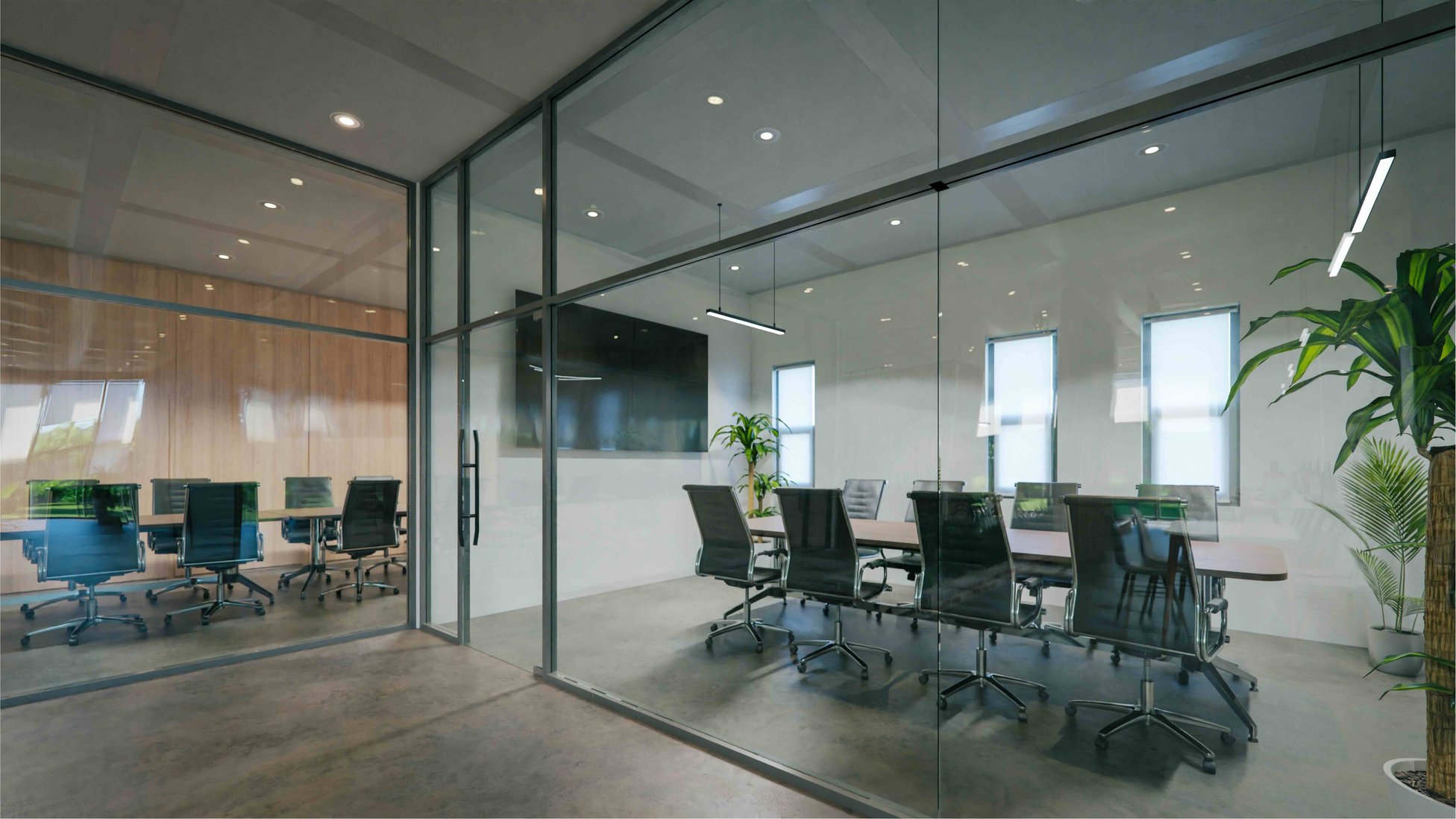
In every workplace, meetings are where collaboration happens, ideas are shared, and key decisions are made. But too often, poor meeting room management gets in the way. Rooms are double-booked, technology isn’t ready, and teams waste time searching for available spaces.
If you’re just getting started with meeting room management, this guide will walk you through the basics, highlight common challenges, and share practical tips for creating a smoother, more productive meeting culture.
How do companies manage room bookings?
Companies manage room bookings using a centralized system that shows real-time availability and makes it easy for employees to find and reserve the right space. Rooms can be organized by factors such as location, capacity, and available equipment, helping teams avoid booking conflicts and make better use of shared spaces.
With Sign In App, employees can book rooms and desks alongside the tools they already use, with clear visibility of available spaces. Teams can also coordinate meeting requirements such as catering and services, manage visitors as part of the meeting experience, and use booking and utilization data to understand how spaces are being used.
Bringing these workflows together makes room booking simpler for employees while giving workplace teams better visibility and control over their spaces.
What is meeting room management?
Meeting room management is the process of organizing, booking, and overseeing these shared spaces so people can find and reserve the right room when they need it.
Companies typically manage meeting room bookings through a centralized booking system that shows real-time availability and lets employees choose spaces based on factors such as location, capacity, and available equipment. Connecting room bookings with the tools employees already use, such as their workplace calendar, makes it easier to avoid double bookings, reduce unused reservations, and make better use of available space.
With Sign In App, teams can bring room and desk booking into the wider workplace experience, giving employees visibility of available spaces while helping organizations understand how their workplace is being used.
Why meeting room management matters
You might think room booking is just about reserving a space, but effective meeting room management goes much further. Here’s just a few of the benefits:
- No more conflicts or double bookings - goodbye awkward moments when someone shows up to use the same space
- Save time and reduce frustration - staff can see availability instantly, no more emailing back and forth
- Improve resource utilization - meeting spaces are expensive, effective management ensure they’re used wisely
- Enhance visitor experiences - no more delays in your reception area, guests feel valued
- Gather useful data - get insights into how rooms are being used to make informed decisions about office design and recourse
Common challenges when managing meeting rooms
When organizations don’t have an effective solution to manage meeting scheduling, here’s some of the common challenges they face:
- Double bookings caused by disconnected calendars.
- Underused rooms because people don’t know they’re available.
- Technical issues like missing AV equipment or connectivity problems.
- Last-minute changes that catering or facilities teams don’t hear about.
- Lack of data on how often rooms are really being used.
Best practices for effective meeting room management
If you’re looking for a better way to manage meetings in your organization, here’s some simple best practices to follow:
1. Centralize your booking system
Use a single platform where employees can see availability and book rooms directly. This eliminates double-bookings and confusion. Think about adding buffer periods at the start and end of bookings too, allowing time for when meetings over-run or rooms need to be cleaned.
2. Match rooms to meeting needs
Consider room size, technology, and layout. A small catch-up doesn’t need the boardroom, while a client presentation may require a larger, better-equipped space. Ensure you provide information on size and equipment for employees to see when booking their meeting spaces.
3. Connect services to room bookings
Integrate catering, AV, and facilities requests into the booking system. This ensures every meeting is set up correctly without last-minute scrambles and relevant teams are notified in advance.
4. Track usage and costs
Ensure your system has reporting tools so that you can understand how often rooms are used, by who, and for what purpose. This can help you optimize space planning and spending. Some systems also give you the option to add restrictions on who can book certain catering items or resources.
5. Keep visitors in mind
For meetings that involve external guests, link your visitor management system with meeting room scheduling. This ensures visitors are registered, welcomed, and directed to the right place. Hosts are also automatically notified when guests arrived, reducing delays in lobby areas.
Meeting room management made simple
The key to effective meeting room management is bringing everything together in one place - room booking, services, resources and visitor management.
Sign In App makes this simple. Spaces provides real-time visibility of rooms, desks, and shared resources across every location, ensuring your workplace is used efficiently. Meetings builds on this by streamlining scheduling, enabling you to book directly in Outlook or online, add catering or services, and keep track of usage and costs without the hassle.
Get in touch to learn more, or start a 15-day free trial today and start seeing how Sign In App turns meeting room management into a seamless, intuitive process that’s flexible enough to grow with your organization.