Is your school ready for Alyssa's Law?
Your complete resource hub for understanding and preparing for Alyssa’s Law.
Alyssa’s Law is changing what “prepared” looks like for schools. This hub gives you a clear, practical introduction to Alyssa’s Law, how requirements vary by state, and where visitor management fits into a broader school safety strategy.
Across the U.S., new legislation is raising the bar for emergency response. The goal is simple: when something happens, response needs to be immediate, informed, and coordinated.
Understanding Alyssa's Law requirements
At its core, Alyssa’s Law legislation is designed to give schools a faster way to alert emergency responders during a crisis. Specific requirements vary by state, including:
- Silent panic-alert technology connected directly to emergency services
- Mobile, wearable, fixed, or classroom-based panic-alert technology, depending on state requirements
- Integration with law enforcement, 911, or other public safety infrastructure, depending on state requirements
The goal is to help schools alert emergency responders quickly when a serious incident occurs.

Beyond emergency notification
Panic-alert technology is one part of emergency preparedness. Schools also need a clear picture of who has entered their campus and access to accurate information when an emergency occurs.
A visitor management system can support that wider picture by helping authorized teams understand which visitors, staff, students, contractors, and other individuals have checked in.
Key considerations include:
- Having up-to-date records of visitors and contractors
- Accounting for people who have checked in during an emergency
- Quickly accessing visitor information when it’s needed
- Moving away from paper-based records that can be harder to access and update during an emergency
.png?width=2960&height=2346&name=SIA_Platform_Education%20(1).png)
What effective school safety looks like
Meeting Alyssa’s Law requirements is one part of a broader school safety strategy.
During an emergency, schools may need quick answers to questions such as:
- Who is on campus right now?
- Are all visitors and contractors accounted for?
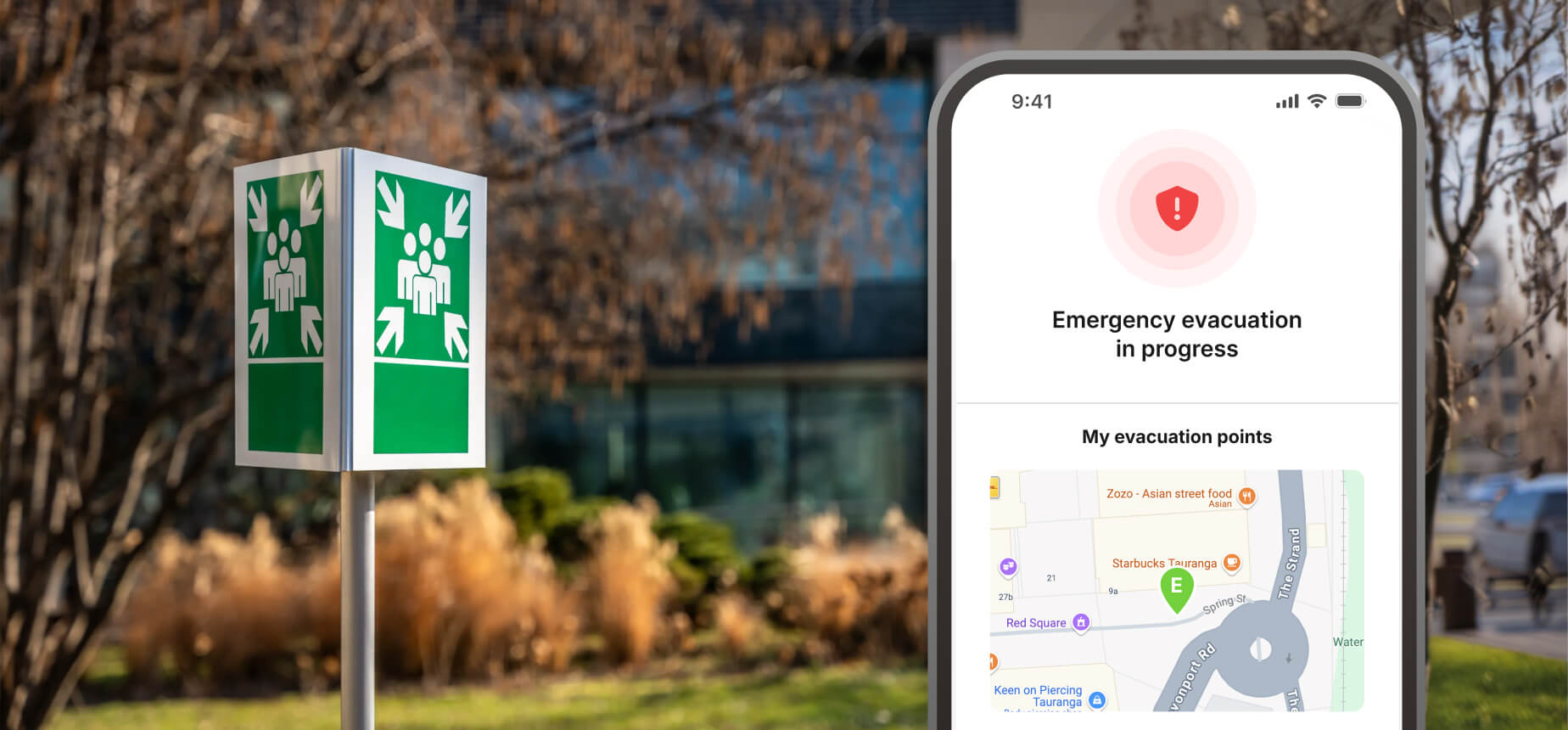
- Can we quickly access an up-to-date evacuation list?
- Can authorized teams access and share the information they need during an emergency?
Connected systems can make this information easier for authorized teams to access when it matters.
.png?width=1460&height=876&name=Education-Evac%20(3).png)
How Sign In App supports school safety readiness

Maintain accurate, real-time records of every individual signed in on campus

Access up-to-date evacuation reports to account for everyone during drills or emergencies

Pre-screen visitors, staff & contractors before they arrive on site

Give authorized teams access to up-to-date on-site records when it matters most
Helpful resources

Download our compliance checklist
Use this checklist to understand the key steps for complying with Alyssa's Law and where visitor management fits in.

A complete guide to Alyssa's Law