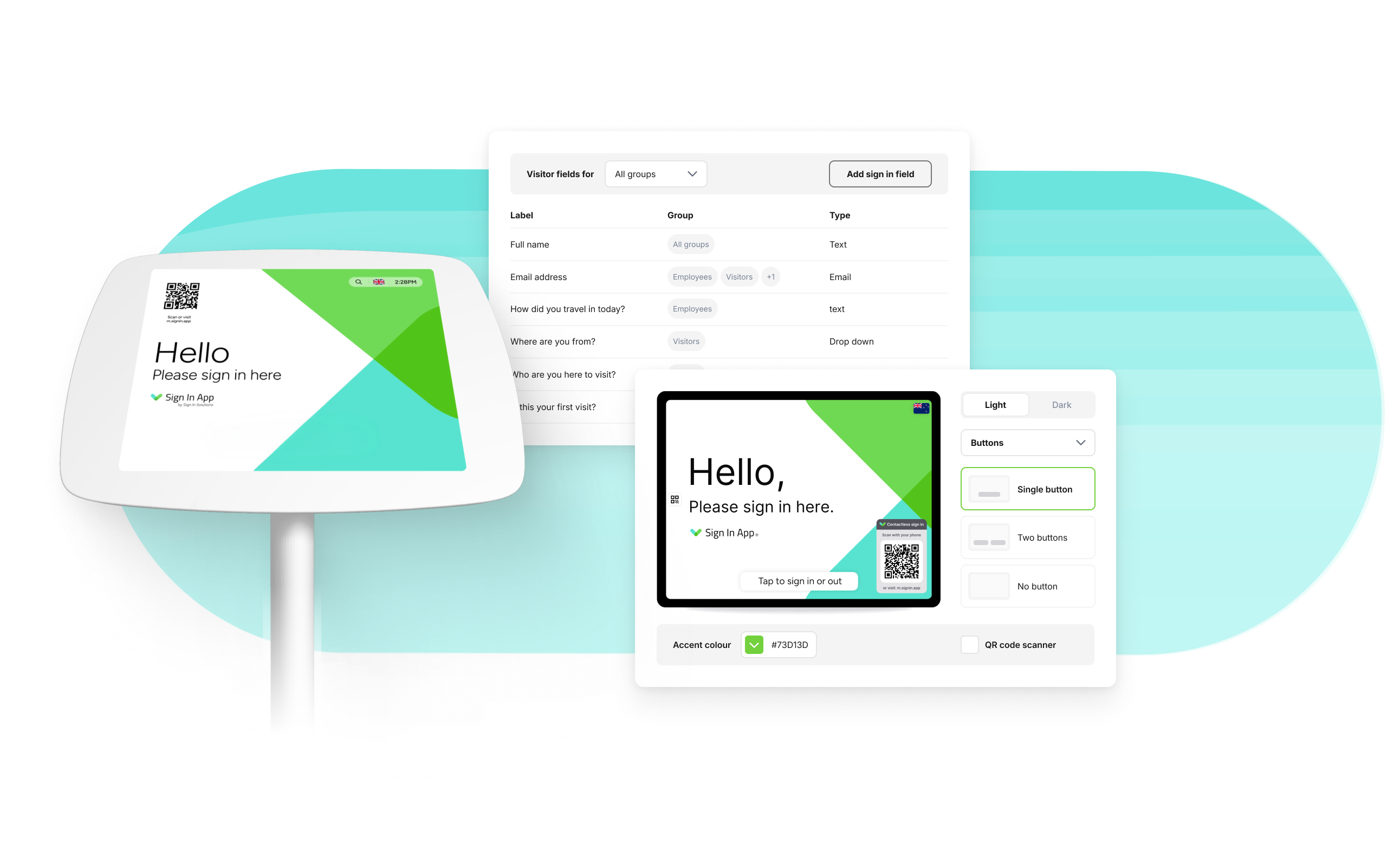
The clipboard is gone. The iPad kiosk replaced it. But in 2026, standalone visitor management is no longer enough. What started as a smarter way to manage front desks has become something far bigger: a critical layer in how organisations manage identity, security, and operational risk.

The average cost of a data breach has surged to $4.88 million, pushing workplace security firmly onto the C-suite agenda. Leaders are recognizing that gaps in visitor processes, contractor oversight, and identity verification can create the same operational exposure as outdated digital systems. When organisations lack visibility into who is entering their spaces, responding quickly becomes much harder.

That shift in thinking is driving a move away from siloed front-desk tools toward Access Intelligence. Unlike legacy systems that simply log a name and print a badge, these platforms bring together real-time identity verification, credential management, compliance workflows, and behavioural insights into a single, connected system. As discussed in recent thought leadership from Sign In App CEO, Scott Meyer, organizations are increasingly focused on closing the gap between physical and digital security risks.

Physical access is increasingly connected to digital risk. Regulations like the Texas Cybersecurity Safe Harbor Act are encouraging organisations to align physical and digital security processes into a more unified operational framework.

So the question is not whether this shift is happening. It’s whether organizations move proactively - or wait until operational risk forces the issue.

Regional Drivers: Why Austin, Seattle, Charlotte, and Milwaukee Are Replacing Legacy Access Control Systems


This shift isn’t happening evenly. It’s accelerating where regulation, growth, and operational complexity intersect. Four metro areas are leading the charge, each highlighted in a recent
Business Journal thought leadership series by Sign In App CEO, Scott Meyer.

Austin is driven by convergence. The city’s fast-growing tech corridor - packed with semiconductor manufacturers, defence contractors, and healthcare campuses - is pushing organizations to rethink how physical and digital access connect. A visitor badge and a network login represent the same risk, but many legacy access control systems still treat them as separate events. The Texas Cybersecurity Safe Harbor Act adds urgency, offering liability protection to companies that follow documented security frameworks. For Austin’s tech firms, that’s a clear signal: move to a unified compliance management system that produces auditable records across both physical and digital access points.

Seattle faces a different challenge. Aerospace and defence companies here operate under strict federal requirements, where a single unauthorised visit can put entire programmes at risk. In highly regulated aerospace and defence environments, organisations are closing the gap between physical and digital threats - especially in environments with highly sensitive supply chains. Sign In Solutions’ inclusion in Gartner’s Market Guide for Workplace Experience Applications reflects where the industry is heading. As Meyer puts it: “The organizations that get ahead will be the ones that treat access as a live, intelligent layer - something that makes decisions continuously, not just once at login.”

Charlotte’s financial sector is evolving quickly. As outlined in Charlotte Business Journal, firms are upgrading from basic visitor management software to platforms that automate governance, risk, and compliance. The result? What used to require audit scrambles becomes a continuous, real-time process. Strategic partnerships are accelerating this shift - including Sign In App’s integration into the Convene platform by ISS, a global workplace experience and facility services provider. Sign In App is one of only two global technology partners selected, alongside Microsoft.

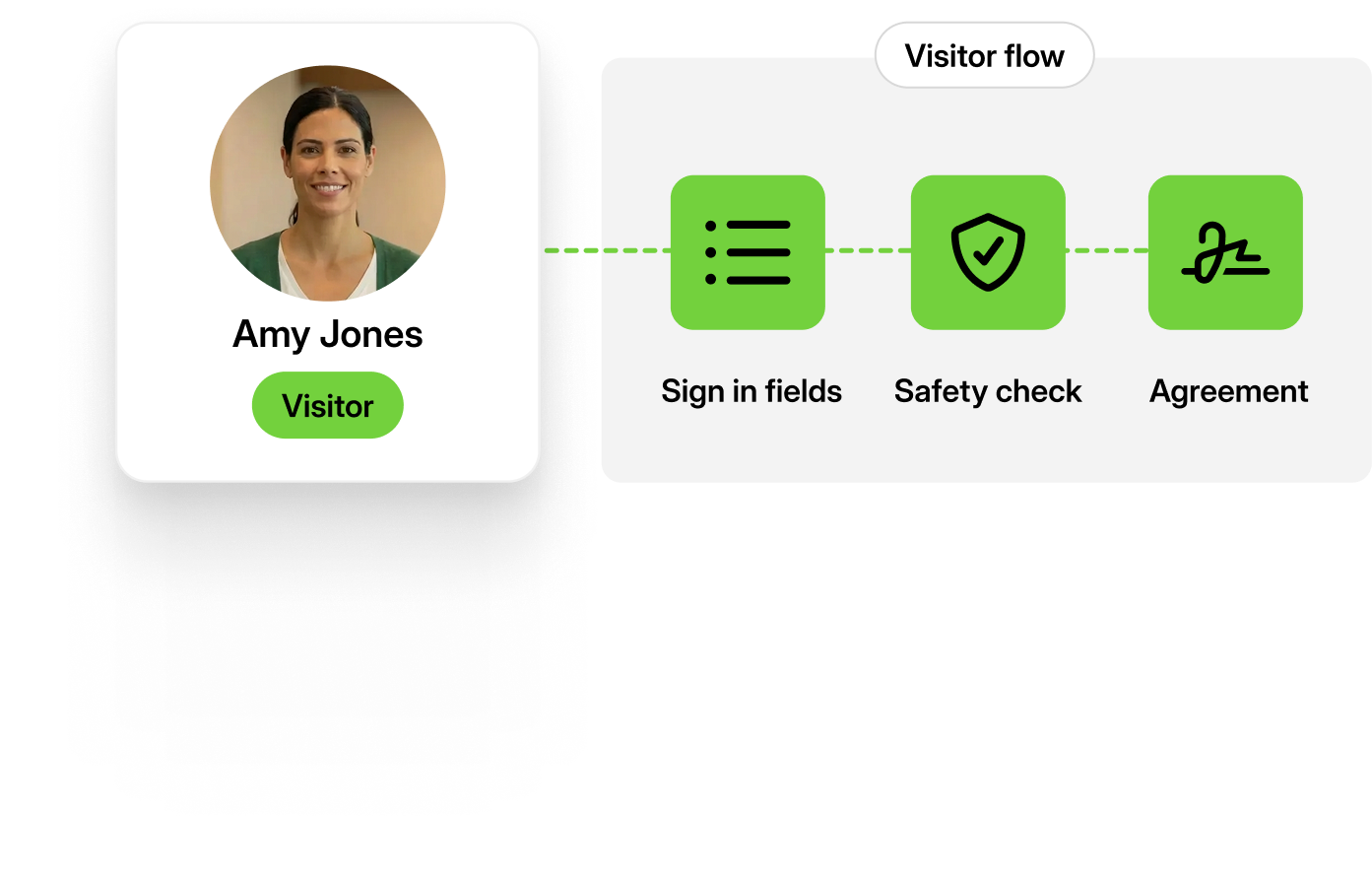
Milwaukee’s manufacturing sector is solving a different challenge: how to strengthen access control without slowing operations. Manufacturers are replacing manual sign-ins with digital visitor management systems that handle contractor screening, safety inductions, and access logging in a single workflow. The real advantage is visibility. Modern platforms connect physical movement with digital activity, closing gaps that legacy systems often miss.

Across all four cities, the pattern is clear: growth exposes the limits of outdated systems. What works at 200 employees starts to break down at 2,000. As access control evolves toward AI-driven, identity-aware systems, the direction of travel points to one thing - the convergence of physical security and digital identity management.

The Convergence of Physical Security and Digital Identity Management


At the center of every security breach is a simple challenge: knowing who someone really is.
Verizon’s 2024 Data Breach Investigations Report found that 31% of breaches over the past decade involved stolen credentials, reinforcing how central identity and access remain to modern security strategy. That’s not a minor issue - it’s one of the biggest gaps organizations face today.

For years, organizations divided responsibility. IT managed digital identity. Facilities managed badges and guestbooks. On paper, the model made sense. In reality, it created blind spots that modern attackers actively exploit.

From Legacy Identity Systems to Intelligent Verification


Legacy identity systems were built for a different era - static workforces, predictable access, and manual oversight. That environment no longer exists.

Today, access is dynamic. Contractors come and go. Employees work remotely. Vendors need limited, time-bound permissions. Static systems struggle to keep pace.

Zero Trust changes the model. The principle is simple: never assume trust, always verify. And in 2026, that principle applies everywhere - not just to networks, but to physical spaces too. If a digital identity does not check out, access is denied everywhere - from files to facilities.

Sign In App brings this together with The Access Intelligence Platform. It’s a single, risk-adaptive platform that unifies visitor management, physical access controls, and digital identity verification. If someone logs into a system but is not physically in the building, the platform flags it immediately. That kind of visibility is not a bonus feature. It’s what modern security requires.

Real-Time Identity Verification at the Point of Entry


This is where strategy becomes operational reality. A unified platform does not just connect systems - it responds in real time.

An employee with suspended digital credentials? Access denied at the door.

A contractor with an expired safety induction? Flagged before they step onto the floor.

Without integration, these issues are easier to miss than many teams realise.

A unified approach to identity and access is not a luxury feature - it is the architectural foundation that makes enterprise security meaningful.

Operational Reality: Why a Unified Security Platform Replaces Fragmented Systems


Understanding the strategy is one thing. Managing fragmented systems every day is another.

Most organizations still operate separate tools for access control, visitor management, video surveillance, and digital identity management. Different dashboards. Different vendors. Different data silos. When something goes wrong, teams are left piecing together logs under pressure. That’s not just inefficient. It increases operational risk.

Cyber-physical convergence has raised the stakes. Systems like smart locks, building automation, and IoT devices are now connected to IT infrastructure. A compromised badge reader is no longer only a physical issue - it can become a network entry point.

That’s why integration at the infrastructure level matters. Sign In App’s LenelS2 OpenAccess Alliance certification ensures compatibility with existing hardware, helping organizations unify workflows, strengthen visibility, and give teams the tools to deliver enterprise-grade security with a more human-centred experience.

The shift is not just about connecting systems. It’s about staying ahead of issues before they escalate.

AI-driven analytics flag anomalies early - unusual access times, repeated failed attempts, credential misuse. Instead of reacting after an incident, teams can respond earlier and with more context.

Centralizing visitor, employee, and contractor management into a single platform simplifies operations across the board: audits move faster, compliance becomes cleaner, and admin overhead drops.

A unified platform does not just reduce complexity - it closes the risk gaps where incidents often go unnoticed.

The ROI of an Access Intelligence Platform


This is not theoretical. The ROI is measurable - and increasingly difficult to ignore.

Unauthorized physical access remains a significant security risk. Surveys of security professionals show that 48% of organisations experienced physical security breaches caused by tailgating - yet physical access is still often managed separately from broader cybersecurity and identity strategies.

An access intelligence platform delivers value across multiple areas:

  • Insurance premiums: Clear audit trails aligned with frameworks like NIST demonstrate due diligence, which increasingly impacts policy pricing.
  • Compliance management: Automated records replace manual log gathering for SOC 2, ISO 27001, and contractor audits - turning days of work into minutes.
  • Incident response speed: Unified data lets teams isolate threats quickly without switching systems or reconciling conflicting logs.

The momentum is already there. Sign In App supports 27,500 customers across 100 countries, with a global partnership through ISS reaching over 40,000 locations. As Meyer explains: “We’ve been thoughtfully building one of the industry’s best AI-first visitor management systems, redefining how people enter, move, and feel inside modern workplaces.”

But the strongest argument is still the simplest: delaying change creates more operational exposure over time.

Legacy systems rarely create obvious problems immediately. The challenge is that missing records, incomplete logs, and disconnected systems quietly introduce risk that only becomes visible when organisations need answers fast.

Legacy access control systems are not neutral. They are a growing liability.

Key Takeaways


  • Physical and digital security are increasingly interconnected - treating workplace access as separate from broader security strategy creates the kinds of visibility gaps attackers exploit.
  • The Texas Cybersecurity Safe Harbor Act and frameworks like NIST are creating regulatory incentives for organizations to align physical and digital security controls within a unified risk management strategy.
  • Four of America’s fastest-growing metro areas - Austin, Seattle, Charlotte, and Milwaukee - are leading the shift from stand-alone visitor management to access intelligence.
  • Identity-related vulnerabilities remain one of the biggest drivers of modern security incidents.
  • A unified platform eliminates risk gaps, accelerates incident response, and transforms every access event into actionable intelligence.

Conclusion: Building a Future-Proof Security Posture


This isn’t about replacing paper with tablets. It’s about rethinking what access actually means.

Every person who enters your building is more than a name on a list. It’s an access event. A data point. A moment that can either introduce risk or improve operational awareness.

The path forward is clear: start with identity, and build around it. Organizations still relying on standalone access control systems are operating on foundations that were not designed for modern compliance or security expectations.

A unified access intelligence platform does not just close gaps. It turns every interaction into insight - helping organizations move faster, respond smarter, and stay ahead of risk.

So ask the real question: where is visitor identity captured, where is it siloed, and where does it disappear?

That’s where operational exposure exists.

Close the gap. See how Sign In App is helping companies in Austin, Seattle, Charlotte, Milwaukee, and beyond make the shift.